

More Than Relaxation
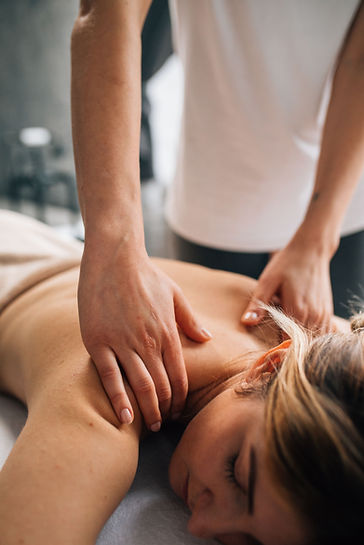
Massage therapy is not only about relaxation. It is a personalized, hands-on treatment that may help reduce muscle tension, improve mobility, relieve everyday aches, and support recovery from physical activity or repetitive strain.
Whether you are dealing with ongoing discomfort, stiffness, stress, or general fatigue, your treatment will be tailored to your needs and comfort level.
Enjoy a clean, comfortable, and professional environment, with the added convenience of direct billing to most insurance companies. Lisa Wellness in Oakville is your trusted destination for expert massage therapy care. Book your appointment today and take the first step toward feeling your best.

What Can Massage Therapy Help With?
Massage therapy may help relieve physical tension, improve movement, and support overall well-being. Treatment can be personalized for concerns such as:
-
Neck, shoulder, and back tension
-
Muscle stiffness and soreness
-
Headaches related to muscle tension
-
Postural and repetitive-use strain
-
Sports and exercise recovery
-
Reduced mobility and flexibility
-
Stress, fatigue, and difficulty relaxing
Your registered massage therapist will assess your needs and adjust the treatment pressure and techniques to your comfort level.
Choose the Right Massage for You
Not sure which type of massage to book? Your therapist can help adjust the treatment based on your needs, preferences, and comfort level.
Therapeutic Massage
Focused treatment for muscle tension, stiffness, discomfort, and restricted movement.
Relaxation Massage
Gentle, flowing techniques designed to reduce stress, calm the body, and promote relaxation.
Deep Tissue Massage
Uses slower, firmer pressure to address deeper muscle tension and areas of persistent tightness.
Prenatal Massage
A comfortable, modified treatment designed to support the changing needs of the body during pregnancy.
Treatment pressure and techniques can always be adjusted during your appointment.
What Happens During Your Appointment?
1. Consultation
Your therapist will ask about your health history, areas of concern, treatment goals, and preferred pressure.
2. Assessment
When appropriate, your therapist may assess your posture, movement, and areas of muscle tension to better understand your needs.
3. Personalized Treatment
Your massage will be tailored to your goals and comfort level. The therapist may use a combination of techniques to address specific areas of tension or provide general relaxation.
4. Aftercare
After your treatment, your therapist may suggest simple stretches, hydration, movement, or self-care strategies to support your recovery.

Professional,
Client-Centred Care
Massage therapy may include the assessment of soft tissues and joints, followed by hands-on treatment designed to relieve pain, improve physical function, and support mobility.
Before treatment begins, your Registered Massage Therapist will explain the proposed approach, expected benefits, possible risks, and available alternatives. Your consent is ongoing—you may change, pause, or withdraw it at any time.
Only the areas you have agreed to will be treated. Professional draping is used throughout the session to protect your privacy. If treatment near a sensitive area is clinically appropriate, your therapist will explain why and obtain your specific consent in accordance with CMTO requirements.
Your boundaries, privacy, and comfort will always be respected.
Insurance & Direct Billing
Massage therapy provided by a Registered Massage Therapist includes an official RMT receipt that you may submit to your extended health insurance plan.
Coverage limits, referral requirements, and eligibility vary between plans. Please contact your insurance provider before your appointment to confirm your benefits.
Lisa Wellness offers direct billing to many major insurance companies when available. Direct billing does not guarantee approval, and clients remain responsible for any unpaid balance.
Frequently Asked Questions

Does my first appointment include an assessment?
Yes. Your RMT will review your health history, discuss your concerns, and may assess your posture, movement, soft tissues, or joints before beginning treatment.
What should I wear?
Wear comfortable clothing. You may undress only to your personal comfort level, and professional draping will be used throughout the treatment. Massage can also be adapted if you prefer to remain clothed.
Why might I feel sore after a massage?
Mild, temporary soreness can occur after focused or deeper treatment, especially in tense areas. It usually improves within 24–48 hours. Let your therapist know if you prefer lighter pressure.
Which appointment length should I choose?
-
30 minutes: One specific area or a focused concern
-
45 minutes: One or two areas requiring focused treatment
-
60 minutes: A comprehensive treatment for several areas
-
75–90 minutes: Multiple concerns or a slower, full-body approach
Your RMT can recommend an appropriate appointment length based on your needs.